




For wine lovers and collectors, proper wine storage is more than just a practical necessity, it's a lifestyle statement. Especially in luxury homes, where design and function must seamlessly blend, upscale wine storage options play a vital role in both preserving prized collections and enhancing home aesthetics. Two of the most sought-after options are the wine wall and thewine cellar. Each offers distinct advantages in terms of visual impact, preservation capabilities, capacity, and integration with home design.
In this comprehensive guide, we will explore the differences between a wine wall and a wine cellar to help you determine which upscale storage solution suits your home, lifestyle, and wine collection best.
What Is a Wine Wall?
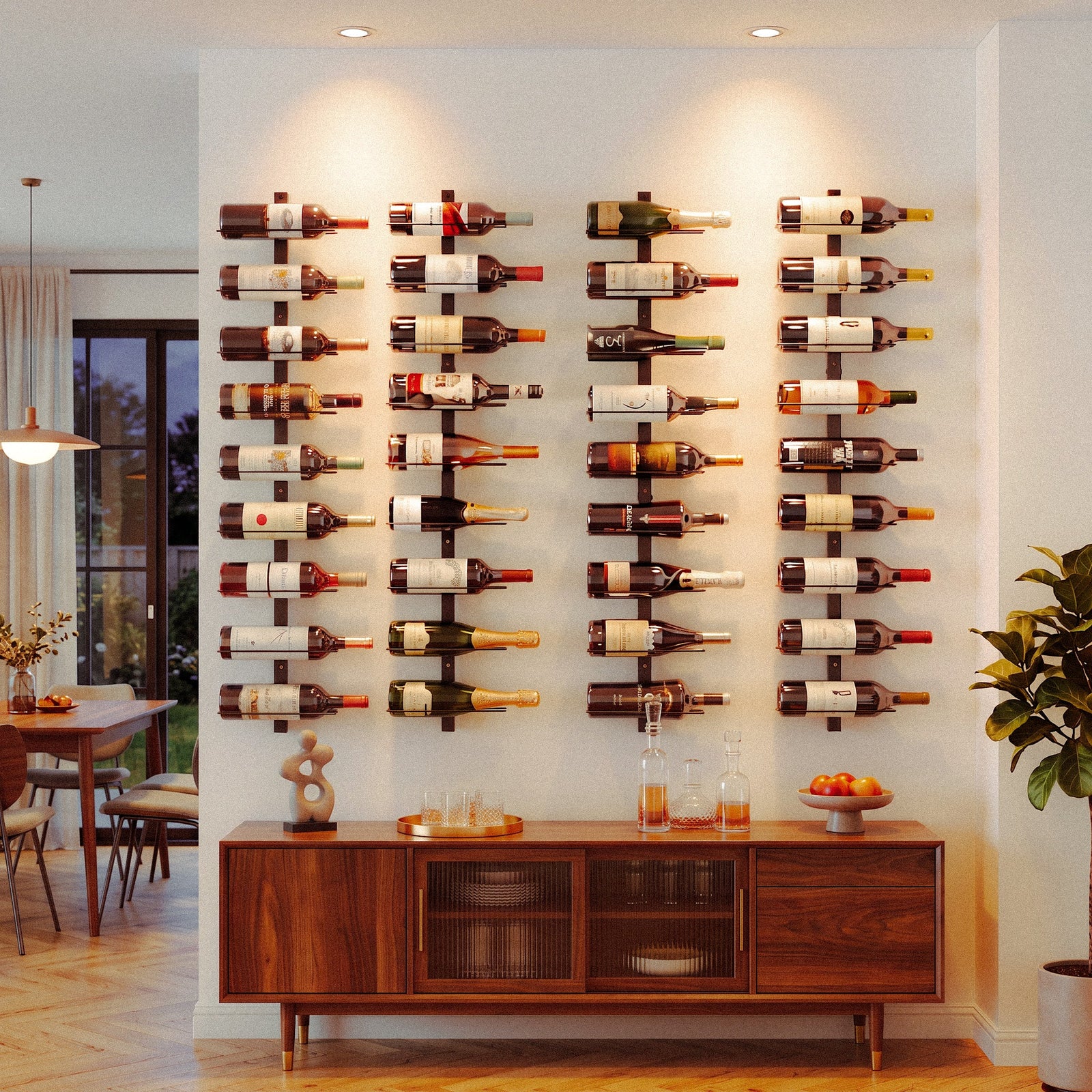
A wine wall is a contemporary, stylish way to showcase your wine collection by transforming a wall or room divider into a visually stunning display of bottles. Often designed with sleek materials likeglass, metal, wood, or cable systems, wine walls combine both functional storage and modern art.
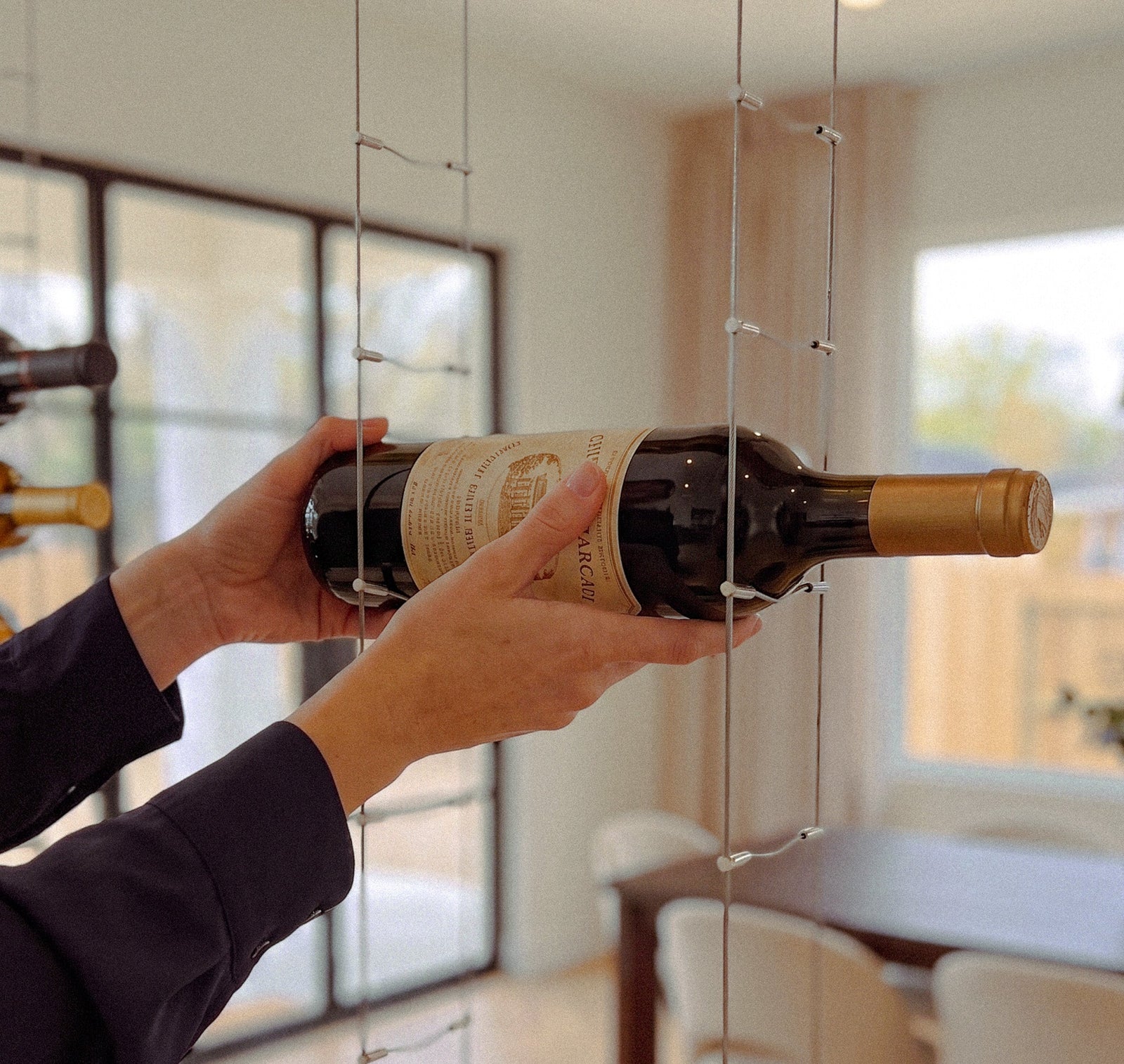
Wine walls can range from floor-to-ceiling installations that hold hundreds of bottles to more compact designs ideal for smaller spaces. Cable wine racks, for example, are popular for wine walls as they offer an elegant and airy look, emphasizing the wine bottles themselves rather than the rack, making the display a statement piece in any room.
One major advantage of wine walls is their ability to integrate seamlessly into modern home interiors. By replacing or accenting a blank wall, they create a striking focal point while providing easy access to your collection.

What Is a Wine Cellar?
A wine cellar is the traditional, often climate-controlled space designed primarily for the preservation and aging of wine. Wine cellars come in various sizes, from small under-the-stairs niches to large, custom-built rooms with controlled humidity, temperature, and lighting settings.
Modern wine cellars blend classic design elements with technology to ensure ideal storage conditions. This means optimal temperature (usually 50-59°F or 10-15°C), relative humidity around 60-70%, and absence of direct light and vibration, all key factors to preserving wine quality.
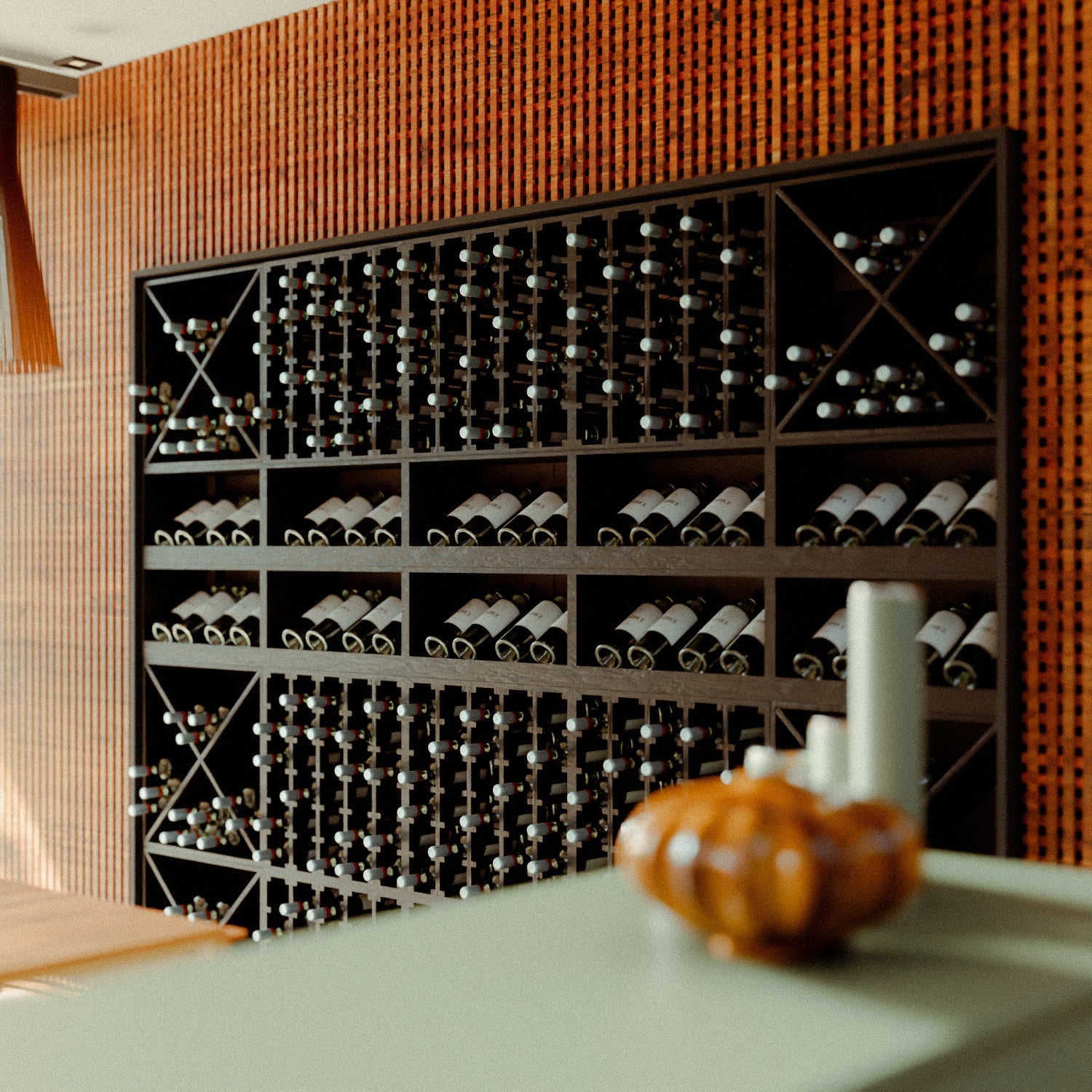
Design options for wine cellars are versatile, it can be a dedicated room lined with elegant wooden shelving, modular racks, or even a walk-in display with glass doors. Some luxury homes include multiple temperature zones within their cellar for different wine varieties, such as reds, whites, and sparkling wines.

Comparing Wine Wall vs. Wine Cellar
Aesthetics and Design Appeal
Wine walls offer a contemporary, visually dynamic presentation ideal for modern homes. Their transparent or open designs—like cable wine racks—allow the bottles to appear as art pieces, adding sophistication to living spaces like dining rooms, kitchens, or home bars.
In contrast, wine cellars tend to evoke a sense of tradition and luxury. They can be designed with warm wood tones, stone, or tile, creating a cozy and intimate environment that highlights the cellar’s purpose: wine preservation and collection.
Storage Capacity and Scalability
Wine cellars typically offer greater storage capacity than wine walls, especially when custom-built into spacious rooms. They allow for scalability over time if your collection grows significantly, with options to include various rack types and configurations.
Wine walls, while generally smaller in capacity, maximize vertical space and make smaller collections accessible and stylish. Their design encourages display rather than bulk storage.
Preservation and Climate Control
Wine cellars are purpose-built with climate control systems that maintain perfect temperature and humidity levels, crucial for aging wine properly. This environment protects wines against spoilage and extends their shelf life.
Wine walls often lack integrated climate control and are best suited for shorter-term storage or wines meant for drinking in the near future. They can be installed in climate-stable indoor environments to minimize risks but generally do not replace a cellar in terms of preservation.
Installation Complexity and Cost Considerations
Building a wine cellar is usually more complex and costly as it involves construction, climate control systems, insulation, and custom designs. The investment, however, suits serious collectors who prioritize preservation and long-term aging.
Conversely, wine walls can often be installed with less structural modification and at a more affordable cost. A cable wine rack wine wall, for instance, can be mounted on an existing wall with minimal disruption, making it attractive for those wanting style and some storage without a high financial or construction commitment.
Flexibility and Location Options Within the Home
Wine walls offer greater placement flexibility. They can become part of functional living spaces—like open-plan kitchens or dining areas—combining display with convenience.
Wine cellars require dedicated space, usually isolated areas that can house climate equipment and maintain stable conditions. This limits location options but ensures optimal wine storage conditions.
Which Option Fits Different Homeowners?
Casual to Serious Collectors
Casual collectors or those who primarily drink wine without extensive aging needs may find wine walls meet both their aesthetic and functional desires. A stylish cable wine rack or glass-front wall can hold favourite bottles and impress guests.
Serious collectors or those interested in aging wines are better suited to invest in a wine cellar with climate control to safeguard and enhance their collection’s value over time.
Home Entertainers and Display Priorities
If you enjoy entertaining and want your wine collection to be part of the visual appeal, a wine wall doubles as a conversation piece and functional display. It can enhance your home bar or dining setting, making it easy for guests to pick bottles and admire your selections.
Wine cellars, while sometimes visible through glass doors, act more as storage and less as a design feature in entertaining areas, emphasizing function over display.
Space Constraints and Architectural Considerations
Homes with limited space may favour wine walls for their ability to utilize vertical wall space without sacrificing floor area.
Homes with sufficient room and a layout conducive to climate-controlled environments benefit from wine cellars’ preservation capabilities and capacity.
Enhancing Wine Storage with Accessories
Regardless of choosing a wine wall or cellar, integrating modern accessories can elevate both function and style. Cable wine racks, for example, add contemporary flair and keep bottles secure while visually light.
Wine cubes and wall mounts can organize bottles within the cellar or complement a wine wall, offering flexible modular solutions for different bottle sizes and shapes.
To explore a range of elegant and modern wine storage solutions, visitour wall mount collection or check out versatilewine cubes that can be integrated seamlessly into any setup.
Conclusion
Choosing between a wine wall and a wine cellar boils down to your personal wine storage goals, space availability, design preferences, and budget. Wine walls bring visual elegance and convenience to living spaces, perfect for casual to moderate collections and social entertainment. Wine cellars provide unmatched preservation for serious collectors with the space and resources to support climate-controlled environments.
Whatever your preference, investing in stylish, high-quality storage like cable wine racks enhances your collection’s appeal and accessibility. We invite you to explore upscale options and contact us for custom solutions tailored to your home’s unique style and wine needs. Your perfect wine storage awaits.
Explore our collections and get in touch today throughour contact page.



Leave a comment (all fields required)