




It's one of the most common mistakes people make when buying a wine rack for the first time. They size it for the collection they have right now, without thinking about the collection they'll have in a year. The result is either a rack that's already full within a few months, or one so oversized it looks empty and awkward on the wall.
Getting the size right the first time isn't guesswork. It comes down to a few honest questions about how you actually drink and buy wine, and a bit of planning for growth. Here's how to think it through properly.
Start With What You Actually Have, Not What You Think You'll Buy
Before thinking about future growth, count what's currently sitting in your kitchen, on a counter, or in a cupboard right now. Most people are surprised by this number. Bottles tend to accumulate quietly, gifts, a case bought on sale, a few from a trip, and it's easy to underestimate how many are already in circulation before a single new purchase.
This starting count matters because it's your real baseline, not an idealized one. Sizing a rack for an imagined collection rather than your actual one is how people end up with either far too much empty space or a rack that's full the week it arrives.
A Reasonable Starting Point, According to the Experts
If you're building a collection from scratch rather than just rehousing bottles you already own, it helps to know what a genuinely reasonable starting size looks like. Wine Spectator, one of the most established names in wine publishing, suggests that new collectors aiming to build something with real range and depth often start around 16 cases, close to 200 bottles, while acknowledging that a smaller starting point of around six mixed cases, roughly 72 bottles, is a perfectly sensible way to begin if that full number feels like too much too soon.
The specific number matters less than the underlying idea. You don't need to commit to your final collection size on day one. You need a system that can comfortably start small and grow with you.
Matching Bottle Count to Rack Capacity
Once you have a realistic sense of where you're starting, it becomes much easier to match that to an actual product size rather than guessing.
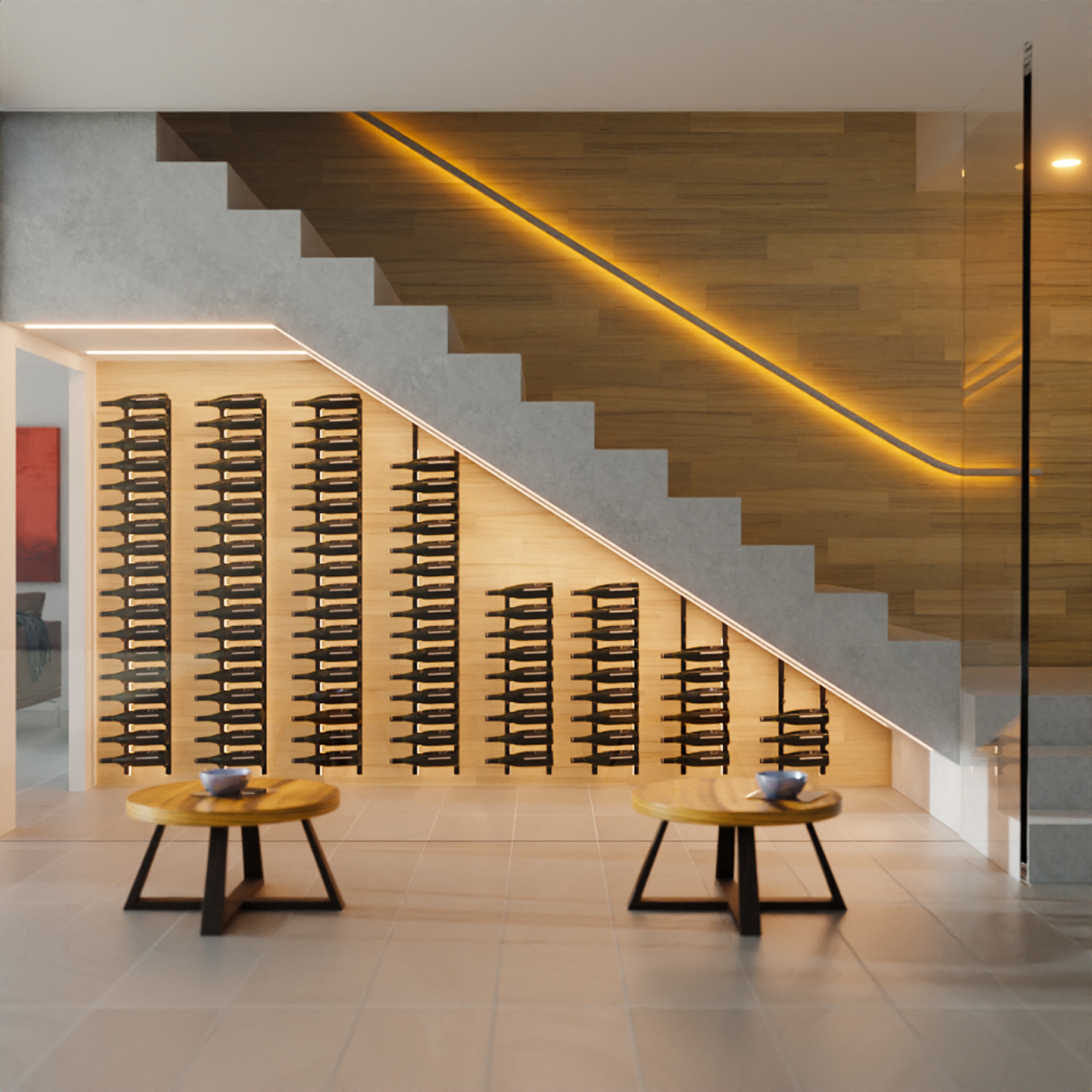
A single wall-mounted wine rack unit typically holds around 9 bottles, which suits a genuinely modest, everyday collection, the kind most people keep in a kitchen for regular drinking rather than long-term aging. Stack two units together and you're at roughly 18 bottles, which comfortably covers a mixed collection of drinking wines alongside a handful being kept a little longer. Three units gets you to around 27 bottles, a size that starts to feel like a genuine, intentional collection rather than a few bottles on a shelf.
For larger collections, a floor-to-ceiling cable wine rack changes the scale of the conversation entirely. A single section can hold up to 20 bottles, and because multiple cable runs can sit side by side along a wall, this style scales naturally into the hundreds for anyone building a serious, dedicated collection.

Signs You're About to Outgrow Your Current Setup
A few practical signs tend to show up before a collection officially outgrows its storage, and catching them early makes expanding much less stressful than reacting after the fact.
- Bottles are starting to live outside the rack. On the counter, in a cupboard, anywhere that isn't the actual storage system, it's usually a sign capacity has already been reached, not that it's approaching.
- You're buying less because you're not sure where it will go. This is a subtle one, but it's common. If storage space is quietly influencing purchasing decisions, it's worth addressing before it becomes a habit.
- You've started drinking bottles earlier than planned, just to make room. This defeats the purpose of aging-worthy wines entirely, and it's one of the clearest signals that capacity has become a genuine constraint rather than a minor inconvenience.
Why Starting Smaller and Expanding Beats Buying Big Upfront
There's a real temptation to buy the largest system available from the start, on the logic that it saves money or hassle later. In practice, this often backfires for a few reasons.
First, collections change shape as tastes develop. Someone who starts out buying mostly reds might shift toward whites, sparkling, or a more varied mix within a year or two, and a system built around flexible, stackable capacity accommodates that shift far more gracefully than one built as a single fixed unit from day one.
Second, starting smaller means testing the actual installation and fit in your specific space before committing further. A single wall-mounted unit is a low-risk way to confirm it looks and functions the way you expected before adding more.
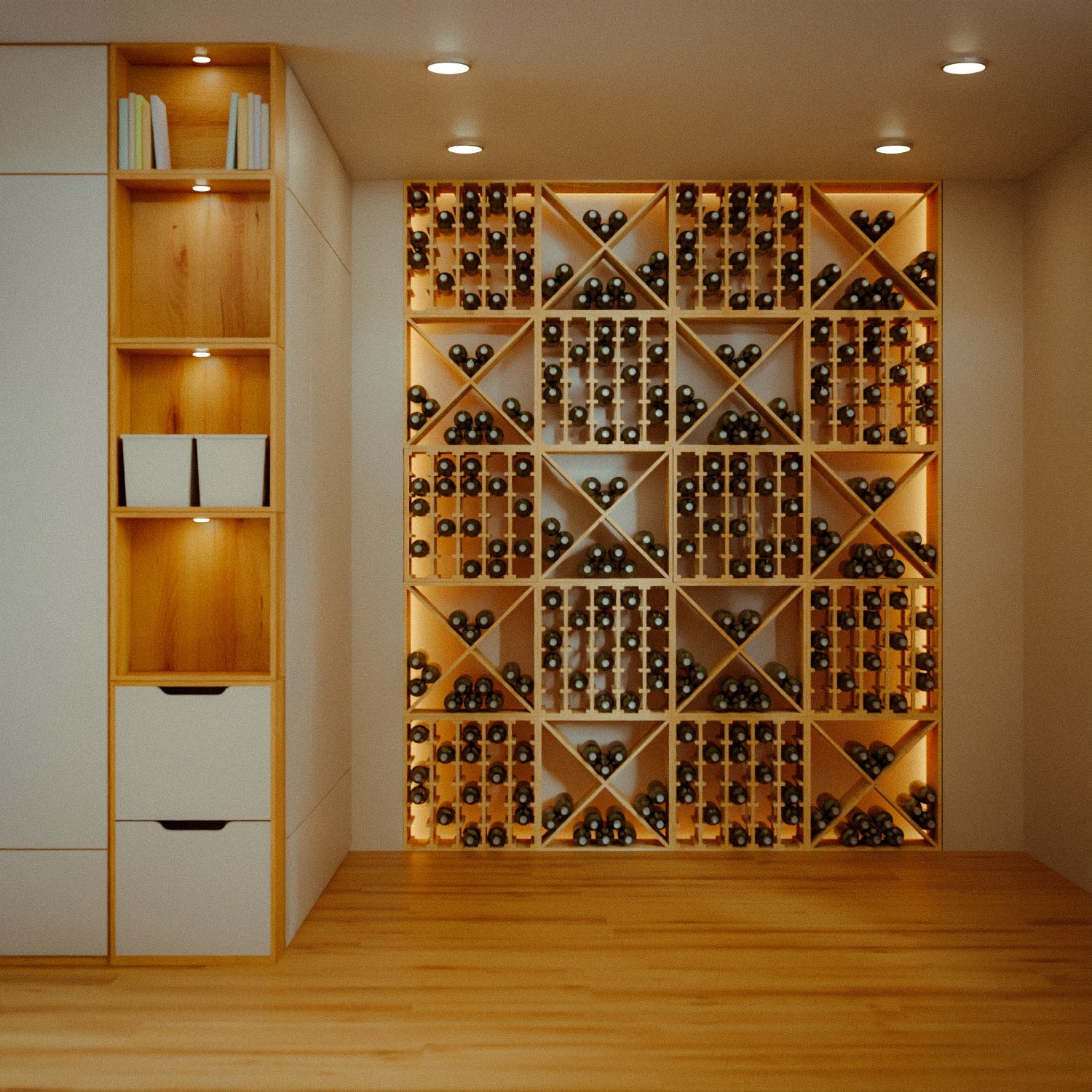
Third, and often overlooked, is that a mostly empty large rack doesn't actually look better than a smaller, fuller one. A modular system that grows alongside your collection tends to look intentional at every stage, rather than sparse in the early days and cramped later on.

Planning for Different Types of Bottles
Not every bottle in a collection serves the same purpose, and it's worth sizing storage with that in mind rather than treating every bottle identically.
A useful rough framework is to think in three categories: bottles you plan to drink within the next year or so, bottles being held for a few years of development, and a smaller number of longer-term bottles being kept for a special future occasion. Most everyday collections lean heavily toward the first category, with only a handful of bottles genuinely falling into the second or third. Sizing storage around this reality, rather than around an idealized cellar of exclusively long-aged wine, usually produces a much more useful and accurate number.
A Simple Sizing Framework
- Count what you currently own, including anything not currently in a dedicated rack.
- Estimate how many bottles you realistically buy or receive in a typical year.
- Subtract roughly how many bottles you actually drink in that same period.
- Add a modest buffer, since most people slightly underestimate how quickly bottles accumulate.
- Choose a starting size that comfortably fits that number, favoring a stackable or expandable system over a single fixed large purchase.
Frequently Asked Questions
Is it better to size up or size down when unsure?
If you're genuinely unsure, sizing down slightly and choosing an expandable system is usually the safer choice. It's simple to add another unit later, while a system that's already too large from day one is harder to adjust for.
How quickly do wine collections typically grow?
This varies enormously depending on how often someone buys and drinks wine, but most people find their collection grows faster than expected once they have proper storage for it. Having a dedicated place for bottles tends to encourage buying a little more intentionally.
Should I plan storage around special occasion bottles separately?
It's worth setting aside a small amount of capacity specifically for bottles you're not planning to open soon, since these tend to get overlooked or accidentally opened early if they're mixed in with everyday drinking wine.
What if I only drink wine occasionally?
A smaller, single wall-mounted unit is usually the right starting point. There's no need to plan for a large collection if your actual drinking habits don't call for one, and it's always straightforward to add capacity later if that changes.
Final Thoughts
The right size for your wine storage isn't really about maximizing capacity, it's about matching your storage to how you actually collect and drink wine, with enough flexibility to grow naturally rather than in one big leap. Starting with a single wall-mounted wine rack and expanding as needed works well for most people. If you already know you're building something bigger, a floor-to-ceiling cable system is designed to scale with a serious collection from the start.




Leave a comment (all fields required)